
Every therapist has an evidence-based modality they practice. I practice EMDR, IFS, and currently provide a unique integration of both modalities at once for a deeper and consensual heavy way of deeper processing. Learn more about each modality below!


Eye Movement Desensitization and Reprocessing (EMDR) Therapy
EMDR centers on unprocessed memories, feelings, or experiences that feel stuck in the brain, to help you let go of beliefs that no longer serve you and respond with more clarity. Through EMDR, the brain disconnects outdated emotional responses from your present-day experiences, allowing more empowering beliefs to be present.
EMDR is unique, as it uses bilateral stimulation (tapping, eye movements, sounds) to reprocess memories.
Results of EMDR include - More compassion, more grounded-ness; less overwhelm and anxiety over memory; preparing you for the future when facing triggers.
This therapy is done at your own pace, you’re fully awake, in control, and if something feels like too much, we pause or stop to anchor ourselves.
Internal Family Systems (IFS) Therapy
IFS believes that we are all made out of parts, with each part playing a vital role in our internal system. When we experience traumatic events, parts are forced to be in roles to ensure the safety of the system and to protect more vulnerable parts, even if they don’t want to play that role. Protective parts can be a perfectionistic part that strives to be flawless to avoid criticism, a humor part that deflects attention from pain, or a part that uses self-harm to manage intense emotions. All parts have good intentions, and there are no “bad parts”.
In IFS therapy, the therapist provides the space to understand and learn more about these parts, understand their roles and why they took these roles, see what vulnerable parts these protectors are protecting, and overall create a more communicative internal system.
This therapy is done at your own pace, it is consent heavy, and non-pathologizing in nature! Anyone can try it out if it resonates with them.

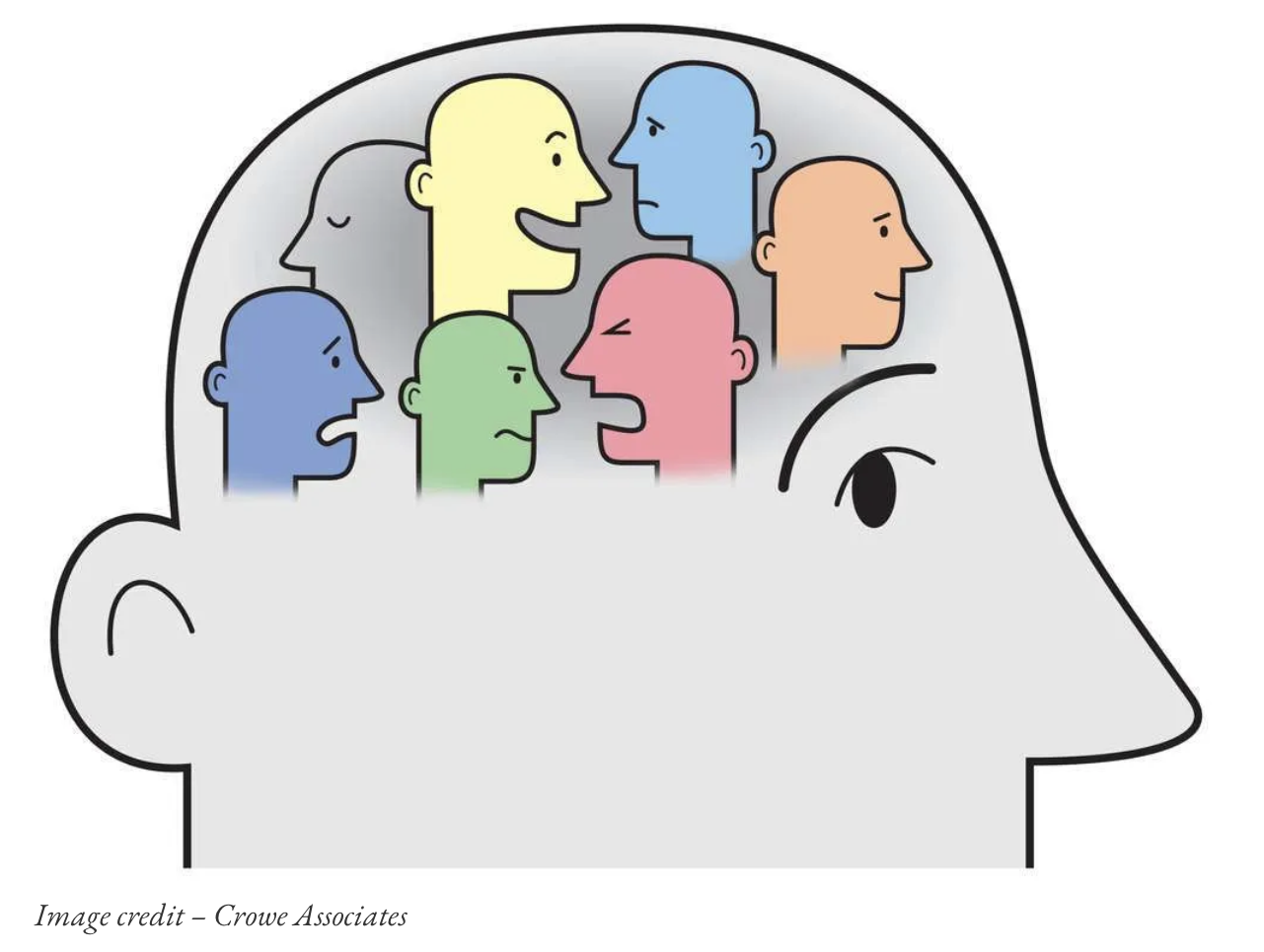
EMDR x IFS - Integrated Therapy Model
EMDR can help clients let go of beliefs that no longer serve them through the reprocessing of past memories and bilateral stimulation. IFS can help clients understand the parts that work hard to protect their internal systems and build relationship with these parts. By combining both models together, we get to build trust with the protector parts that aren’t ready to jump to EMDR processing and get to know their fears, as well as create trauma work that feels safer and more accessible. Some anchoring activities of EMDR (like Safe State) can be a struggle if you have experienced complex trauma, which IFS helps with alternative techniques. With both models combined, you get a unique experience to understand yourself more and live with more clarity in the present moment.